- Tel: +86 13451474678 / 13451474678
- Email: / hbzinanmech@gmail.com

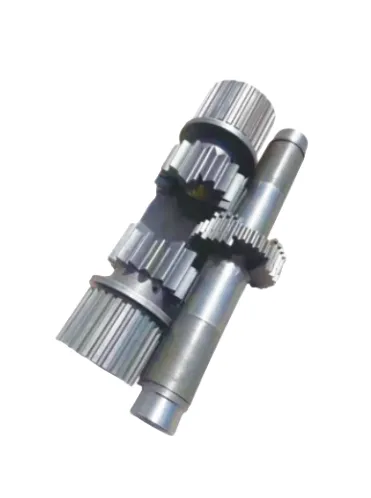
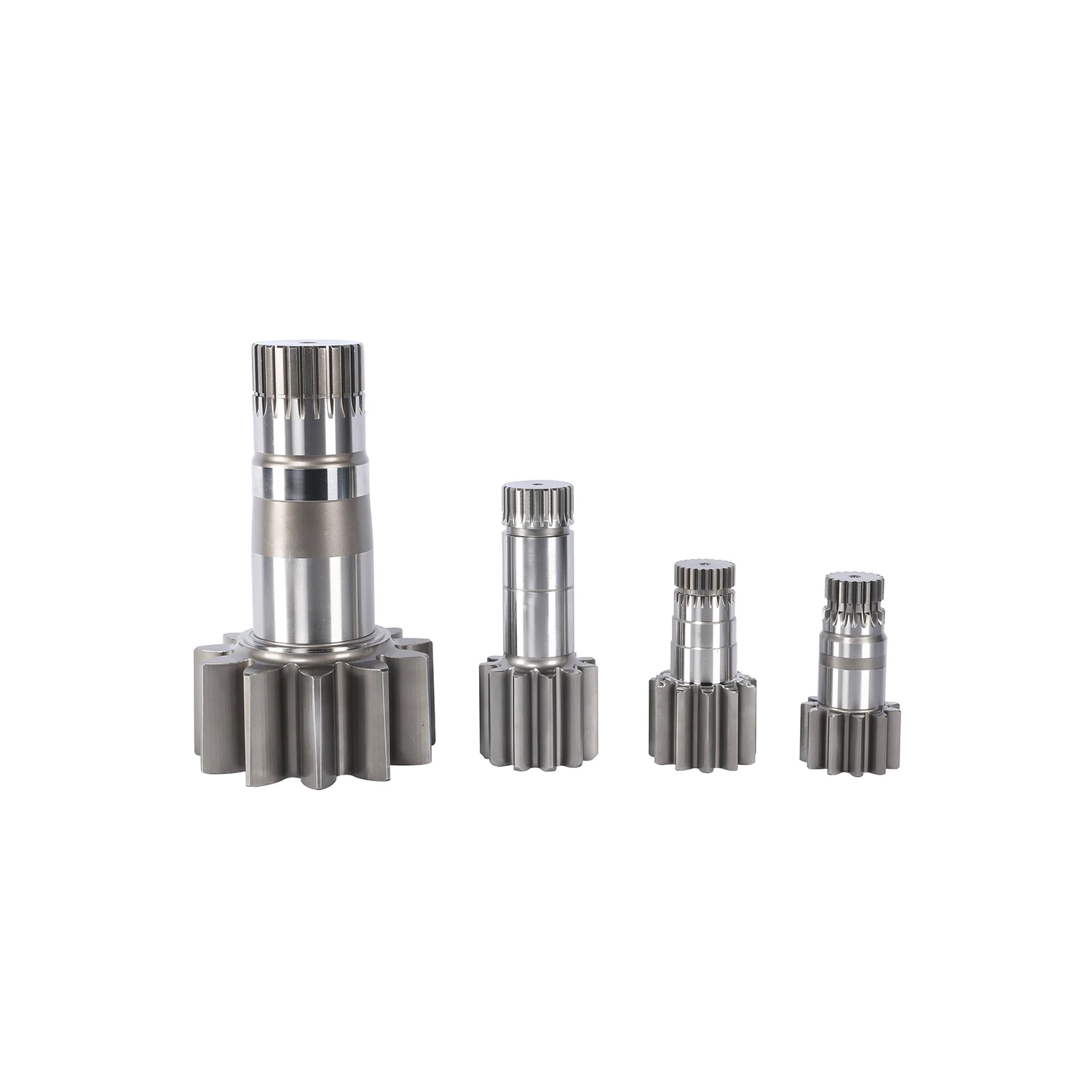
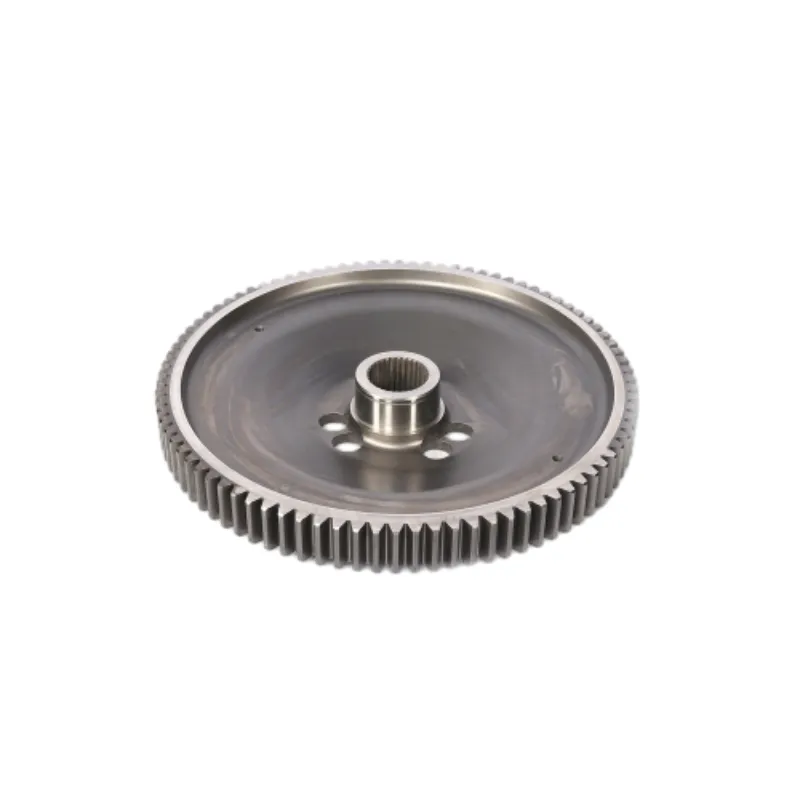
1 inch 15 tooth spline shaft
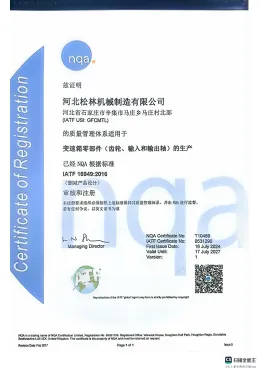
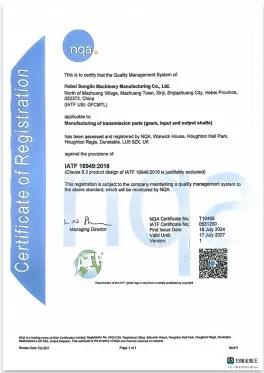
Spline Shaft Of Rotary Tiller: insider notes, real specs, and buying tips If you’re scanning the market for a spline shaft for sale , you’ve probably learned two things already: not all splines are created equal, and the field is crowded with lookalikes. I’ve visited a handful of factories over the years, including in Shijiazhuang, Hebei Province, China, where this particular Spline Shaft Of Rotary Tiller is made—and, to be honest, the difference often comes down to heat-treatment discipline and gauging. What’s trending in ag power transmission Farms are pushing higher torque through smaller drivetrains—compact tractors, tighter implements, more hours per season. That means splines with better case depth, tighter runout, and coatings that don’t rust after a damp week in the field. We’re seeing a shift toward ISO/DIN involute profiles (for interchangeability) and test benches that verify torsional fatigue, not just static strength. Surprisingly, simple things like consistent spline flank finish reduce fretting far more than most brochures admit. Specifications at a glance Below is a typical configuration for the manufacturer’s rotary tiller shaft; customization is common. Profile standard ISO 4156 (metric involute) or DIN 5480; ANSI B92.1 on request Material options 20CrMnTi (carburized) / 42CrMo4 (AISI 4140, quenched & tempered or nitrided) Heat treatment Case depth ≈0.8–1.2 mm, HRC 58–62; core 30–40 HRC; shot-peened Runout / straightness ≤0.03 mm TIR; ≤0.1 mm per 1000 mm (real-world use may vary) Surface finish Spline flanks Ra ≤0.8 μm; phosphate or black-oxide available Torque capacity ≈1,200–1,800 N·m for common tiller frames; verify with duty cycle Service life Around 1,500–3,000 hours with proper lubrication and alignment Certifications Factory ISO 9001; material mill certs; hardness and MPI reports per lot How it’s made, briefly Materials: forged 20CrMnTi or 42CrMo4 bars, UT-checked. Methods: turning → spline hobbing/broaching → stress relief → heat treatment (carburize or Q&T/nitride) → shot peen → finish grind. Testing: go/no-go spline gauges (ISO 4156), Rockwell hardness (ISO 6508-1), magnetic particle inspection, runout, and torsion bench sampling. Docs: PPAP-lite on request; traceability by heat number. Where it works Rotary tillers for seedbed prep, paddy fields, orchard inter-row cultivation, vegetable plots, even rental fleets where abuse is, I guess, part of the business. Many customers say the reduced backlash makes starts smoother, which saves PTO clutches. Customization options Lengths, keyways, module/DP, number of teeth, hub interfaces, coatings, and profile standards (DIN/ISO/ANSI). If you ask for nitrided 42CrMo4 for corrosive soils, they’ll quote it. Lead times are reasonable, but during harvest season, plan ahead if you spot a spline shaft for sale that matches your BOM—stocks move fast. Vendor landscape: quick comparison Vendor Quality System Lead Time Customization Warranty Price Zinan (Shijiazhuang) ISO 9001, lot test data 15–30 days High (profile + coatings) 12 months Mid Generic trading house Varies 20–45 days Medium 6–12 months Low–Mid Small job shop Informal 7–20 days High (small batches) Shop policy Mid–High Indicative; depends on spec, heat treatment, and order size. Mini case study A cooperative in Hebei swapped out two seasons-old shafts for the carburized 20CrMnTi variant. Downtime dropped—operators told me engagement “felt cleaner,” and wear on mating hubs was visibly lower after ~600 hours. Not a lab trial, but the maintenance logs backed it up. Bottom line If you spot a spline shaft for sale that lists real case depth, runout, and gauging per ISO/ANSI, you’re already ahead. This unit from Shijiazhuang is built for the gritty reality of tillage: dust, shock loads, and long days. Ask for the test sheet—and actually read it. Authoritative citations ISO 4156-1:2005 – Straight cylindrical involute splines. ANSI B92.1-1996 (R2001) – Involute splines and inspection. DIN 5480 – Involute splines based on reference diameters. ISO 6508-1:2016 – Rockwell hardness test. ISO 9001:2015 – Quality management systems. ASTM A29/A29M – Steel bars, carbon and alloy, general requirements.
-
0YEARS IN THE FIELD
-
0 KEXPERIENCED STAFFS
-
-
-
0 kACCOMPLISHED PROJECT
-
0SATISFIED CLIENTS
-
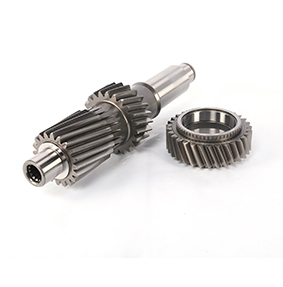
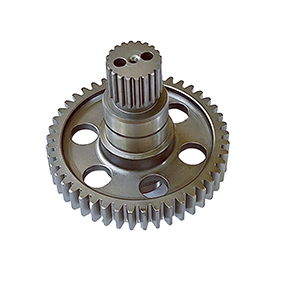
01The Application of Agricultural Machinery Gears In The IndustryAgricultural machinery gears are widely used in the agricultural machinery industry. In tractors, gears are applied to the transmission system. They can transmit the power from the engine to the wheels and achieve different speeds and torques through different gear combinations, so as to adapt to various working conditions such as plowing and transportation.
-
02Application of ComponentsIn agricultural machinery, the gearbox is mainly used to change the transmission ratio. Taking a tractor as an example, when the tractor needs to drive slowly in the field to cultivate the land and other operations, the gearbox can transmit the power of the engine through a lower transmission ratio, thereby outputting a larger torque to ensure that the agricultural machine has enough power to drive the agricultural implement for deep farming and other operations.
-
03Application of Agricultural MachineryField operations: Tractors are one of the most important power machines in agricultural production. In cultivated land operations, it can use powerful power to drive ploughshares to till the land by mounting ploughs to turn, break and level the soil, creating good soil conditions for sowing. For cultivator operations, it can mount cultivators to perform operations such as weeding, loosening and soil cultivation during crop growth to promote the growth of crop roots and nutrient absorption.
International layout
Spread all over the world
Our agricultural machinery products have won wide recognition and trust in the global market, and our sales network covers many countries and regions.

-
2026-04-05 03:28Durability Factors In An Agricultural Seed DrillIn today’s precision-driven agriculture, a seed drill is more than just planting equipment—it’s the>
-
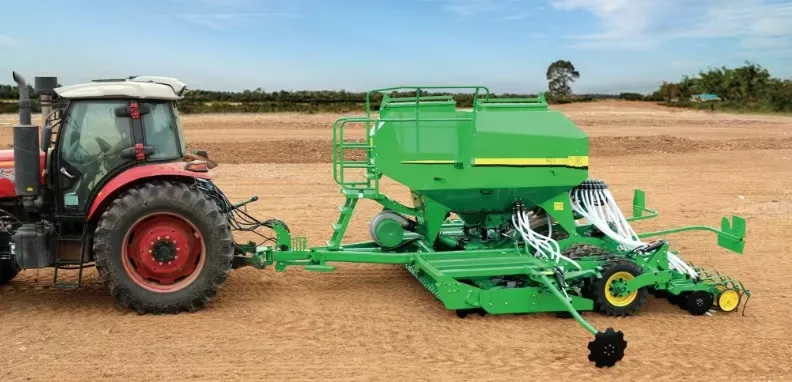
2026-04-05 02:33Pneumatic High Speed Seeder - Zinan Technology Co., Ltd. _ Precision Farming & High-Speed SeedinModern agriculture demands efficiency, precision, and adaptability. The Pneumatic High Speed Seeder>
-
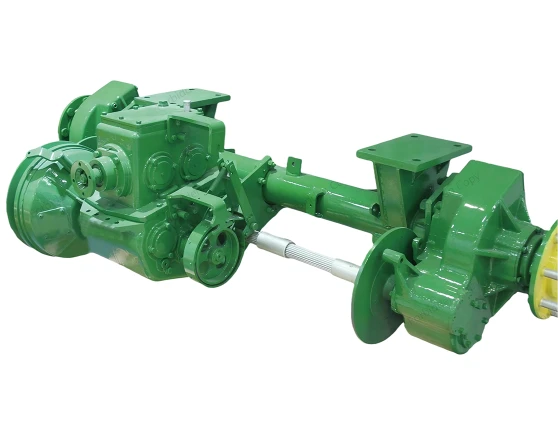
2026-04-05 02:16The Critical Role of Right Angle Gearboxes in Modern TractorsAcross the fertile expanses of the world's farmlands, the rhythmic hum of the tractor is the soundtr>
Sign up
for Newsletter
Subscribe to the weekly newsletter for all the latest updates